ENG
ENG EST
EST

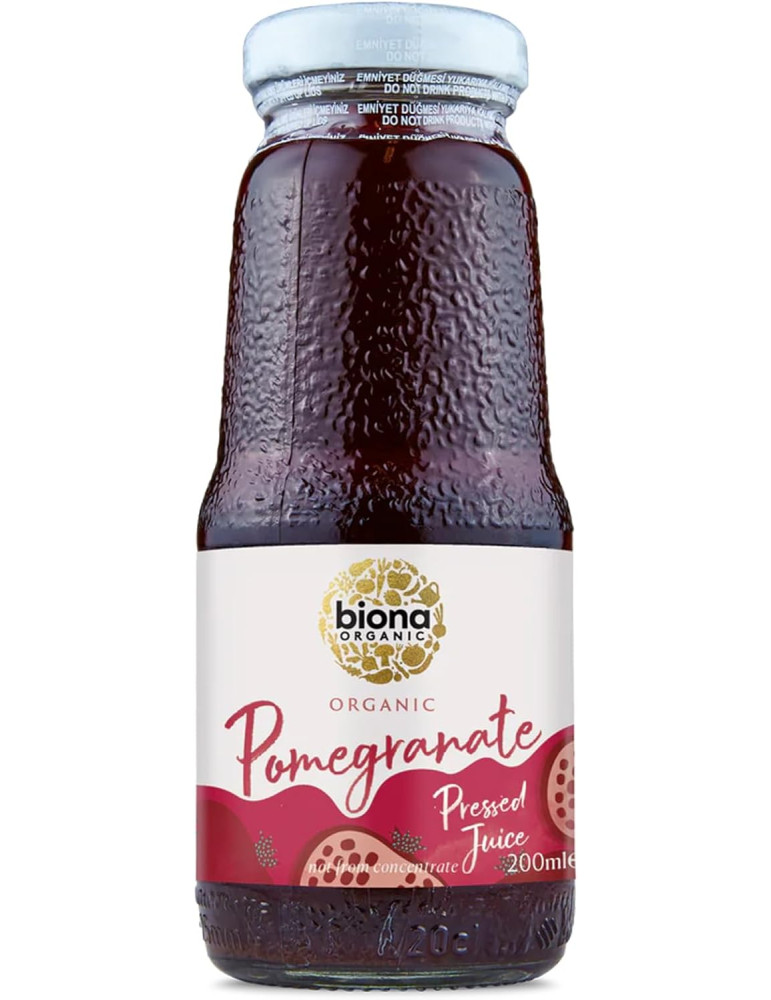




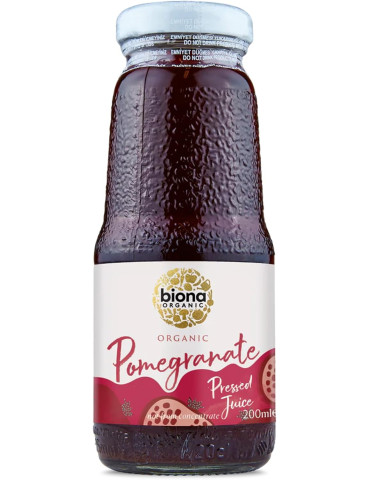
Juice squeezed from fresh pomegranates. Not made from concentrate.
€10.52 /L
The pomegranate tree (Punica granatum) is native to the Mediterranean and Middle East. Pomegranate trees have been cultivated in Persia for 4,000 years. It is mentioned in ancient Mesopotamian and Egyptian literature, and the pomegranate was a symbol of fertility and longevity. The name pomegranate comes from the Latin word granatum, which means a fruit with many seeds.
Pomegranates are a good source of potassium, and also contain vitamin C and pantothenic acid, as well as sodium and niacin. Pomegranates are also rich in polyphenols, such as punicalagin and ellagic acid, which help fight free radical damage. In comparison, pomegranates have three times more antioxidants than green tea.
Although most people prefer to eat only the juicy seeds of a pomegranate, the white pith is actually edible. It may not be very tasty, but it also contains antioxidants and plenty of fiber.
Pomegranate can be consumed in many ways, adding seeds to smoothies, salads, yogurt or eating it as is. However, when drinking pomegranate juice, it is worth remembering that the sugar content can be high, so it is recommended to limit the amount to a moderate amount.
Nutritional information per 100g:
Energy 310kJ/74kcal; fat 0.6g, of which saturated fatty acids 0g; carbohydrates 16.7g, of which sugars 13.8g; fiber 0.4g; protein 0.7g; salt 0.02g.
Store in the refrigerator after opening and consume within 3 days. Shelf life: see packaging.
You might also like